
Energy Is a Controllable Cost
For most manufacturing operations, energy sits among the largest controllable overheads. Unlike raw material prices, consumption can be influenced directly by equipment choices and operating practice. The savings are rarely found in a single dramatic change; they accumulate from a series of well-targeted measures.
Motors and Variable Speed Drives
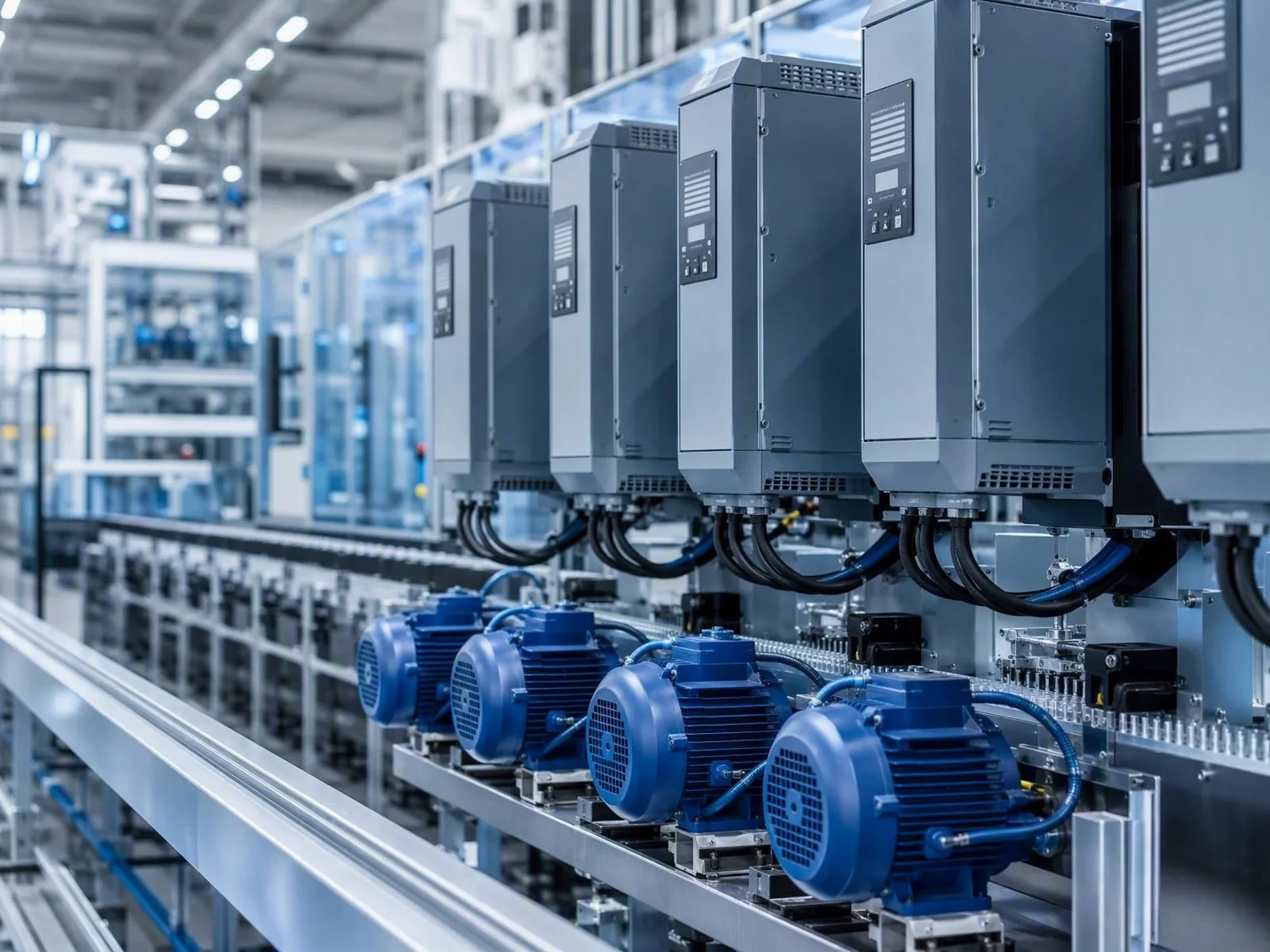
Electric motors account for the majority of industrial electricity use, and many run at fixed speed regardless of demand. A variable frequency drive matches motor output to actual requirement, and because fan and pump power varies approximately with the cube of speed, even a modest reduction in speed produces a substantial drop in consumption. Replacing an oversized, always-on motor with a correctly sized, speed-controlled unit is frequently the single best-return upgrade in a plant.
Compressed Air: Address the Leaks First
Compressed air is one of the most expensive forms of energy in a factory, because most of the input energy is lost as heat during compression. Leaks, open blow-offs and inappropriate use for cooling or cleaning waste the majority of that cost. Ultrasonic leak surveys typically find savings that pay for themselves within months, and pressure reduction at the point of use, proper filtration and eliminating unnecessary open blowing build on that gain.
Reduce Idle and Standby Consumption
Machines rarely switch off. Control panels, drives, heaters, chillers, dryers and lighting continue drawing power through breaks, weekends and shutdowns. Timed isolation of non-essential circuits, automatic shutdown of idle equipment and occupancy-based lighting are unglamorous measures with reliable payback. In a plant with many machines, standby load adds up quickly.
Process Heating and Cooling
Where processes involve heating, insulation, door discipline on ovens and furnaces, and recovering waste heat for space heating or preheating represent significant potential. Similarly, oversizing chillers, running cooling at lower temperatures than required, and failing to maintain condensers all consume energy without improving output.
Measure Before You Invest
Energy projects succeed on data. Sub-metering of major loads, even temporarily, reveals where consumption actually occurs — which is frequently not where it was assumed. Combined with production data, measurement allows consumption to be expressed per unit produced, turning energy into a performance indicator that can be managed and improved rather than a bill that is simply paid.
Sequencing the Investment
Prioritise by return: leak repair, control of standby loads and operating pressure reduction usually cost little and return quickly. Motor and drive replacements require more capital but offer larger and more durable savings. Setting a baseline, acting on the cheapest measures first, and re-measuring after each change is the most reliable way to build continuous improvement.